- BlockchainIST Insights
- Posts
- BlockchainIST Insights


Welcome back to BlockchainIST!
We decode the complexities of blockchain and crypto-economics with precision and poise. As a research center committed to revealing the entanglements of this dynamic domain, we are delighted to present you with a curated collection of insights, analysis, and cutting-edge research.
📰 TOP NEWS
Legislative Proposal for Crypto Asset Taxation and Social Security Amendments Submitted to TBMM
A new legislative proposal has been submitted to the TBMM (Türkiye Büyük Millet Meclisi), introducing a comprehensive tax framework for the crypto asset ecosystem. The regulation covers both an exchange tax on every buy-sell transaction and a stake/income tax withholding on realized gains. Crypto asset service providers will be the primary parties responsible for tax collection and reporting.
Key Details:
Transaction Tax: A rate of 3 per 10,000 (0.03%) will be applied to the sale amount or the fair market value at the time of transfer.
Income Tax Withholding: A 10% tax deduction will be applied to gains generated through local platforms.
Loss Offsetting: Losses incurred from the same type of crypto assets can be deducted from the tax base of subsequent periods, provided they do not exceed the current calendar year.
Declaration Process: Transaction taxes must be declared by the 15th of the following month, while withholdings must be declared by the 26th of the month following the 3-month taxation period.
VAT Exemption: Crypto asset deliveries falling under the scope of the transaction tax will be exempt from Value Added Tax (VAT).
Sen. Murphy alleges White House insiders profited from Iran strike bets, pushes to ban prediction markets
U.S. Senator Chris Murphy has raised serious allegations regarding potential insider trading by White House officials, claiming individuals leveraged non-public information to profit from bets on an Israeli strike against Iran. Citing the ethical and national security risks posed by such activities, Murphy is now advocating for a federal ban on prediction markets that allow wagering on sensitive government actions and geopolitical events. The Senator argues that these platforms create dangerous incentives for those with access to classified data, potentially compromising the integrity of U.S. foreign policy and national security.
"The prospect of government insiders profiting from life-and-death national security decisions is a fundamental betrayal of public trust, proving that without strict regulation, prediction markets can become a playground for corruption and a direct threat to democratic integrity."

South Korean authorities settle on 20% ownership cap for crypto exchanges to curb market dominance
South Korean financial regulators and legislators have reached an agreement to cap major shareholder equity in cryptocurrency exchanges at 20%, a move aimed at reducing governance risks and preventing market concentration. This new mandate, expected to be part of the upcoming Digital Asset Basic Act, will force a major overhaul of the country’s leading platforms which currently operate under ownership structures that far exceed the new limit. To ease the transition, officials have proposed a three-year grace period for larger entities, though industry groups continue to voice concerns that such restrictive measures could stifle domestic innovation.
"The imposition of these strict ownership caps highlights a regulatory drive to dismantle monopolistic structures, proving that while decentralization is the ethos of the technology, the authorities remain committed to enforcing traditional corporate accountability and competitive balance."
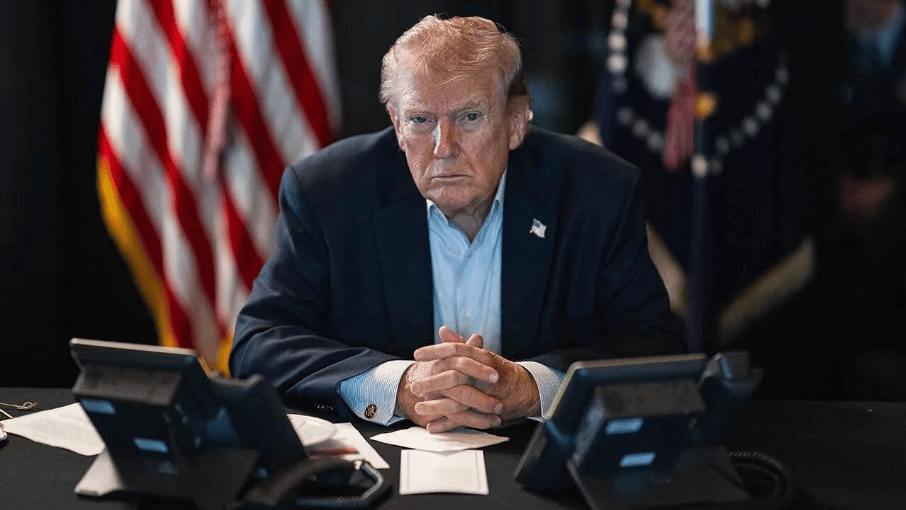
Trump warns banking interests are undermining "GENIUS" stablecoin law as Congress stalls
U.S. President Donald Trump has publicly accused the banking industry of attempting to sabotage the GENIUS Act, a landmark piece of legislation designed to establish a regulatory roadmap for stablecoin issuers. In a recent statement, Trump argued that traditional financial institutions are lobbying against the bill to protect their record profits, specifically by opposing provisions that would allow Americans to earn higher yields on digital assets. The president emphasized that the ongoing delay in passing the broader CLARITY Act for crypto market structure risks driving the burgeoning industry to international competitors like China, urging Congress to finalize a deal that prioritizes domestic innovation over banking dominance.
"The public friction between the White House and the banking sector underscores a growing legislative divide, proving that the future of U.S. financial leadership depends on whether regulators can successfully balance the protection of traditional deposits with the yield-driven demands of the digital economy."
🎟️ EVENT OF THE WEEK
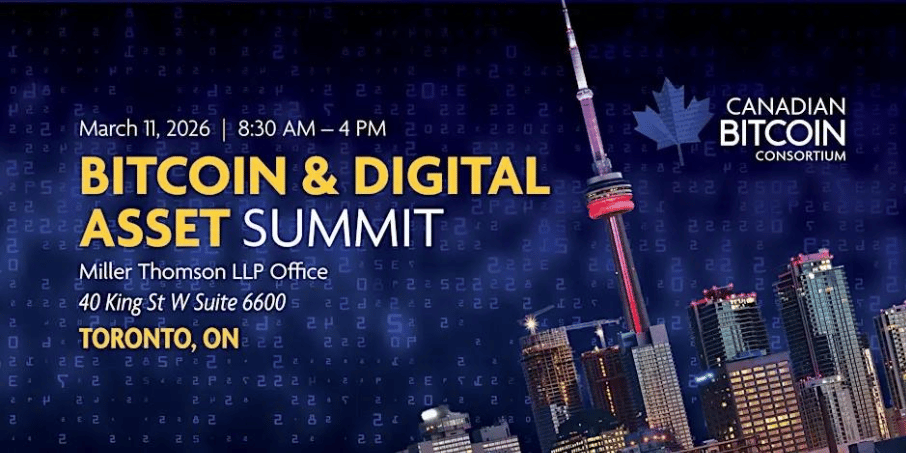
Bitcoin & Digital Asset Summit 2026 Toronto
Industry leaders gather to explore Bitcoin, banking, AML, and payments at the Canadian Bitcoin Consortium’s Bitcoin & Digital Asset Summit on March 11.
This event will serve as a crucial platform for industry leaders and innovators to explore the future of Bitcoin and its intersection with banking. Key discussions will delve into the evolution of anti-money laundering (AML) strategies, focusing on how exchanges are combating financial crimes. Attendees will also examine the potential of Bitcoin-based Tax-Free Savings Accounts (TFSAs) and the vital payment infrastructure needed to promote global adoption of digital assets.
Date Mar 11 2026
💬 EXPERT OPINION
The biggest unlock in crypto is bringing real stocks on chain rather than launching new coins. A tokenized stock will be a better version than a traditional one.”
📊 METRIC OF THE WEEK
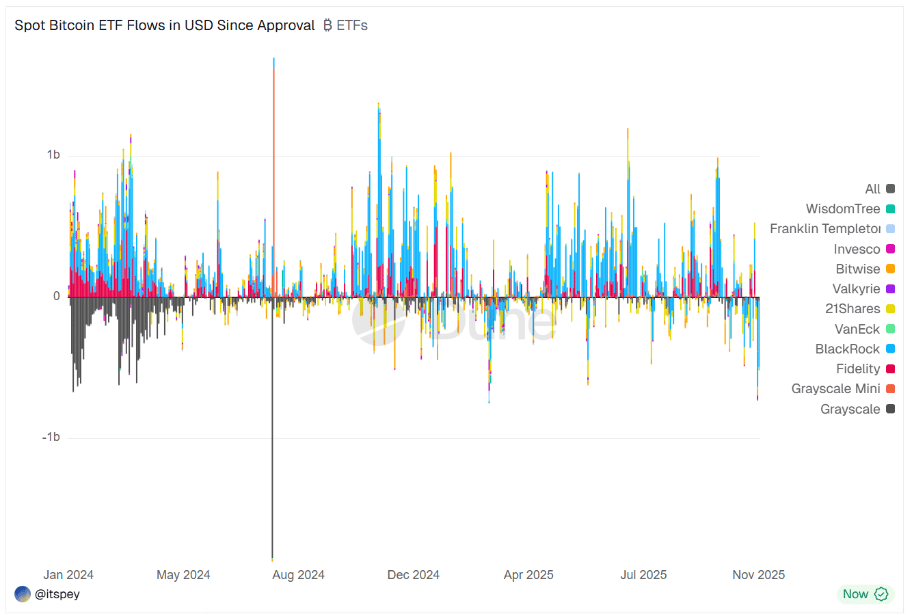
Our researchers designed this metric with ❤️
GLOSSARY CORNER A node is a computer or server connected to a blockchain network that enables its operation. They are the fundamental components that ensure the network remains secure, decentralized, and transparent by validating all transactions and blocks, storing a full copy of the blockchain, and broadcasting information to other nodes. | EDITOR’S CHOICE |
Stay Informed, Stay Ahead! Subscribe to Blockchain Insights Today!
Don’t miss out on the latest developments in blockchain and crypto-economics. Join our community of enthusiasts, investors and researchers by subscribing now.
Explore the future with us!